The Science and History of Psilocybin for Medicinal Use
What Are Psilocybin Truffles?
Psilocybin truffles are the underground “seeds” (sclerotia) of certain psychedelic mushrooms. They contain psilocybin, a
natural compound that can create altered states of mind, help you process emotions, and open your awareness.
Introduction
Psilocybin is a naturally occurring psychedelic compound found in certain species of mushrooms or truffles, commonly referred to as “magic mushrooms/truffles.” For centuries, these mushrooms have been used by indigenous cultures for spiritual, ritualistic, and healing purposes. Today, modern science is uncovering how psilocybin can also support mental health and emotional well-being in therapeutic contexts.
Historical Use
For thousands of years, indigenous peoples across the world have worked with mushrooms, ayahuasca and psilocybine fungi as portals to spirit, vision, and healing. Archaeological evidence and historical records show that they were incorporated into sacred ceremonies for divination, spiritual guidance, and community healing. In the 1950s and 1960s, Western researchers began studying psilocybin scientifically, exploring its potential for psychotherapy and consciousness expansion.
Scientific Research
Modern clinical studies have focused on psilocybin’s effects on the brain and mental health. Research has shown:
Brain Function: They temporarily increase communication between brain regions that usually don't connect. Psilocybin interacts with serotonin receptors, temporarily increasing neural connectivity and “resetting” rigid thought patterns. Allowing for deep insights, emotional breakthroughs, and perspective shifts - unlocking parts within that might otherwise take years of therapy.
Depression & Anxiety: Psilocybin-assisted therapy has demonstrated significant reductions in depressive and anxiety symptoms, especially in treatment-resistant cases.
PTSD & Trauma: Early studies suggest psilocybin may help individuals process traumatic experiences with reduced fear and defensiveness when done in a safe and professional setting.
Addiction: Psilocybin therapy has been explored as a tool to support quitting smoking and other addictive behaviors, helping to break entrenched patterns.
Personal growth & spiritual insight – enhancing creativity, presence, awareness and connection
Mechanism of Action
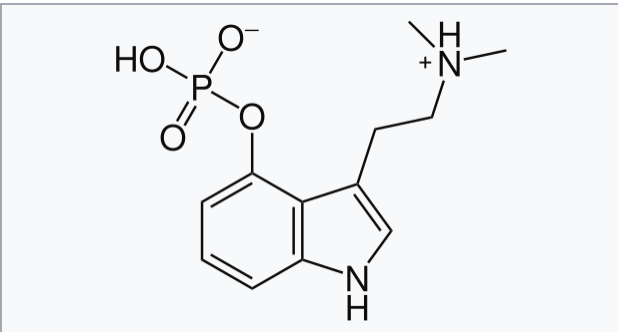
Psilocybin itself is a prodrug, meaning the body converts it into Psilocin, which is the active compound affecting the brain. Psilocin binds to serotonin receptors, especially the 5-HT2A receptor, leading to altered perception, mood, and cognition. These changes can facilitate deep emotional insight, self-reflection, and enhanced connectivity between different brain networks.
Medicinal use
For thousands of years they have been seen as teachers, healers, wisdom keepers and gateways.
They have been used in ceremony to open the heart, expand consciousness, and heal communities.
They hold the power to reveal what is hidden, helping people access wisdom, clarity, and insights that are difficult to reach on their own.
Ceremony and intention are key! When approached with respect, this plant medicine acts as a loving mirror, showing us our deepest patterns, gifts, and truths. If approached carelessly, the medicine may bring up challenges before you can receive the gifts. Creating the "bad trips".
They connect us to ancestral knowledge, nature's intelligence, the interconnectedness of all things and the natural flow of life, reminding us that healing is both personal and collective.
Today, psilocybin is being used in controlled settings under professional guidance. Patients typically undergo preparatory sessions, guided dosing experiences, and integration therapy afterward to maximize the benefits. The combination of careful support and the unique properties of psilocybin has shown promising results for mental health care.
Conclusion
From sacred ceremonies to modern clinical research, psilocybin has a long history as a tool for healing and transformation. While it remains a controlled substance in many parts of the world, ongoing research continues to validate its potential as a safe, powerful, and effective option for mental and emotional well-being when used responsibly and under professional guidance.
Legality in the Netherlands
Unlike psilocybin mushrooms, which are illegal, psilocybin truffles are legal to buy and consume in the Netherlands. They are sold in licensed smart shops and can be used safely under guidance for personal growth and healing purposes. This makes the Netherlands one of the few countries in the world where people can access them legally.
Contra-indications
Pregnancy
Schizophrenia
Bipolar disorder
Bordeline
Psychosis susceptibility (or history with psychosis yourself or in the family)
Cereabral haemorrhages
hyperthyroidism
stroke
PTSD
Cardiovascular Conditions: Individuals with a history of heart disease, stroke, or other cardiovascular conditions should be cautious when using psychedelics, as these substances can increase heart rate and blood pressure, potentially exacerbating underlying cardiovascular issues.
Liver or Kidney Dysfunction: Since magic truffles are metabolized primarily in the liver and excreted via the kidneys, individuals with impaired liver or kidney function may be at higher risk of adverse effects or complications from psychedelic use.
Certain Allergies
The following medications cannot be combined with psychedelics
Opoïden (tramadol, morfine en codeïne)
TCA (Amitryptiline, Nortriptyline e.d.)
Monoamine oxidase inhibitors (MAOIs) - Used to treat depression, Parkinson's disease, and other conditions. Mixing MAOIs with psychedelics like magic truffles can lead to serotonin syndrome, a potentially life-threatening condition. (Fenelzine, Tranylcypromine e.d.)
Selective serotonin reuptake inhibitors (SSRIs) - Commonly prescribed antidepressants. They may reduce the effects of psychedelics due to their mechanism of action on serotonin receptors.
Antipsychotic medications - Used to treat psychotic disorders. Combining antipsychotics with psychedelics can diminish the effects of both drugs or increase the risk of adverse reactions.
Benzodiazepines - Used to treat anxiety disorders and insomnia. They may reduce the intensity of psychedelic experiences but can also increase the risk of negative interactions. (Valium, Oxazepam, XANAX e.d.)
Lithium - Used to treat bipolar disorder. Mixing lithium with psychedelics can lead to unpredictable effects and potentially dangerous interactions.
Anticonvulsants - Used to treat seizures and certain mood disorders. Interactions with psychedelics are not well-studied, but caution is advised due to the potential for adverse reactions.
Stimulants (e.g., amphetamines, methylphenidate) - Used to treat attention-deficit hyperactivity disorder (ADHD) and narcolepsy. Combining stimulants with psychedelics can increase heart rate and blood pressure, leading to cardiovascular complications.
Sedatives or hypnotics (e.g., zolpidem, eszopiclone) - Used to treat insomnia. Mixing sedatives with psychedelics can potentiate sedation and impair judgment and coordination.
Heart medications
SSRI, and SNRI
Benzodiazepines (Valium, Oxazepam, XANAX, etc.)
* Never just stop taking your medication, but consult the doctor who prescribes the medication. In some cases you can taper off the medication. Two weeks of being clean is in most cases needed. But ALWAYS consult with your doctor. We are in no way medical professionals, we only hold the space for you to move through such an experience.
What others say